road safety

Road Safety Pillar

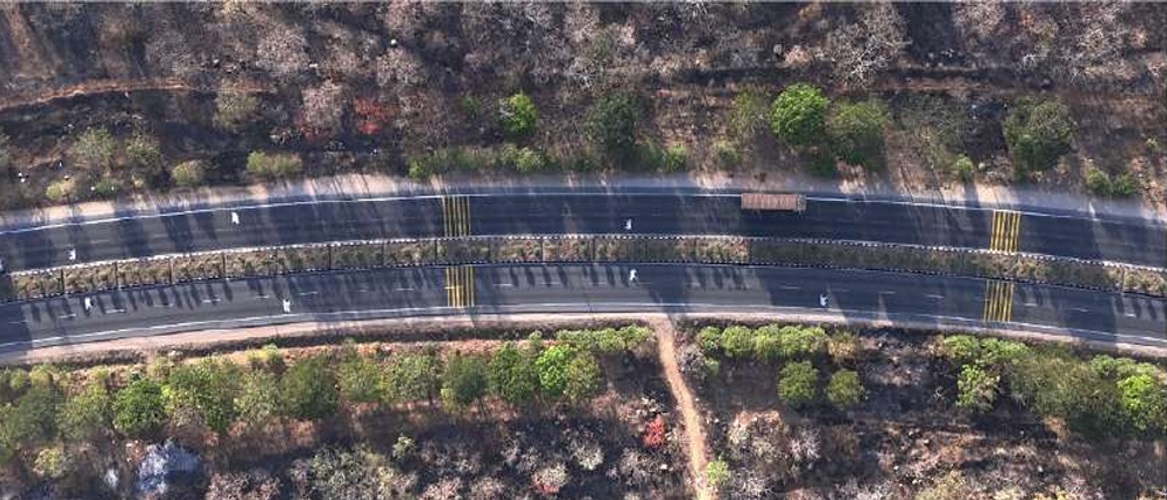
Zero Fatality Corridor – NH-44

Transforming One of Telangana's High-Risk Highway Corridors into a Safer Road for All

Road safety requires more than awareness; it demands systemic action. The Zero Fatality Corridor (ZFC) Initiative on NH-44 was a comprehensive road safety programme implemented by SaveLIFE Foundation in partnership with Mercedes-Benz India to reduce road crash fatalities through targeted, evidence-based interventions.

Spanning the 125-kilometre Hyderabad–Kamareddy stretch of NH-44 in Telangana, the initiative applied the globally recognised 4Es framework—Engineering, Enforcement, Emergency Care, and Education—to address critical road safety challenges and establish a scalable model for safer highways across India.

The initiative demonstrated significant impact, with fatalities declining from 148 in 2023 to 117 in 2025, reflecting a 21% reduction in fatalities over the two-year period. Notably, zero fatalities were recorded at treated locations, highlighting the effectiveness of targeted interventions in reducing crash risks.

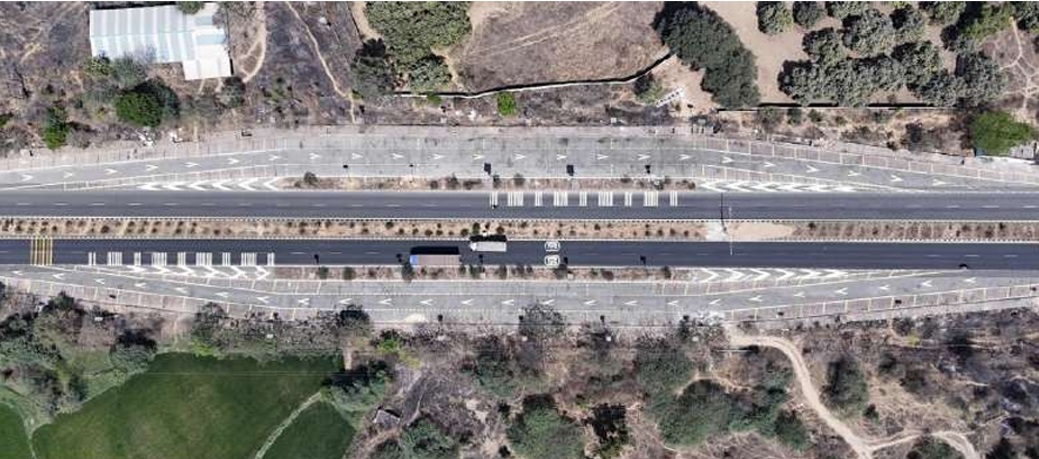
Under the engineering component, four crash-prone locations were identified and treated to address poor visibility, unsafe road geometry, and high-speed conflict zones. More than 260 road safety signages were installed across the corridor, while detailed road safety assessments enabled the implementation of corrective measures at critical locations.
Zero Fatality Corridor – NH-44
The enforcement strategy focused on improving compliance through the deployment of VIDES, VASS (ANPR-enabled systems), and roving speed cameras, enabling real-time monitoring and detection of approximately 15,000 traffic violations per month. These measures strengthened enforcement mechanisms and encouraged safer driving behaviour among highway users.

To improve post-crash response, two Trauma Stabilisation Centres at Area Hospital Armoor and CHC Dichpally were upgraded with critical medical infrastructure to strengthen emergency care capabilities. In addition, more than 380 stakeholders, including state police personnel and NHAI engineers, were trained in crash investigation, trauma care, emergency response, and road safety engineering to enhance on-ground preparedness and response.

By bringing together government agencies, enforcement authorities, healthcare institutions, and technical experts, the Zero Fatality Corridor on NH-44 demonstrated how collaborative, data-driven interventions could save lives and strengthen road safety systems. Mercedes-Benz India was proud to support initiatives that placed human safety at the centre of mobility and contributed towards creating safer roads and more resilient communities.
Zero Fatality Corridor – NH-44

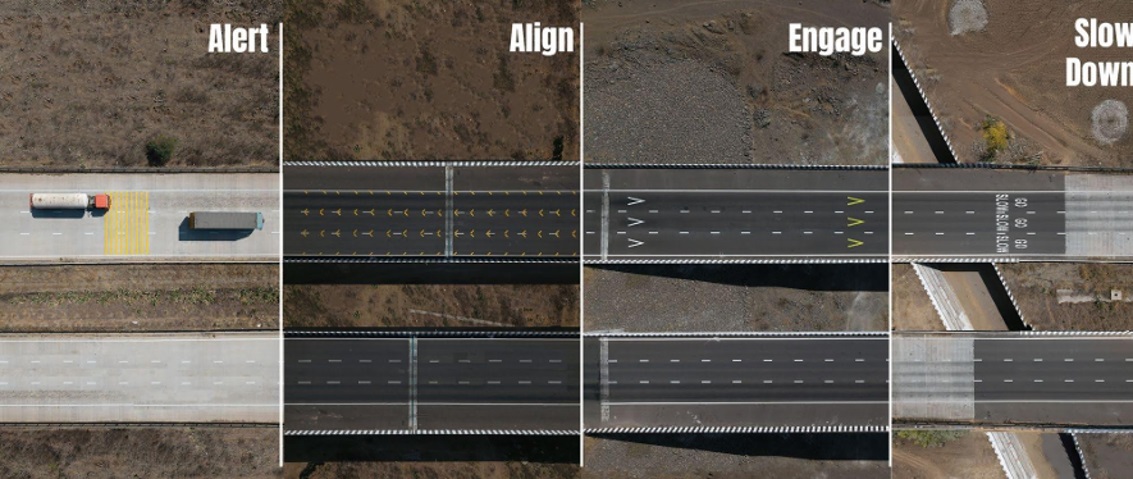
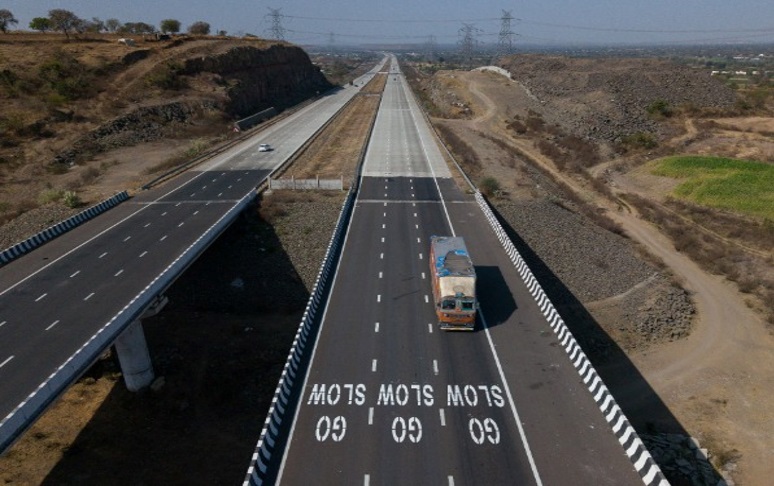
Zero Fatality Corridor – Samruddhi Mahamarg

Driving Safer Mobility on Maharashtra’s Landmark Expressway

The Samruddhi Mahamarg redefined connectivity across Maharashtra, creating faster and more efficient transportation links between two major economic centres. Through the Zero Fatality Corridor (ZFC) Initiative, Mercedes-Benz India and SaveLIFE Foundation worked alongside key stakeholders to create a safer and more resilient mobility ecosystem on this critical corridor.

Implemented from March 2024 to March 2026 as a multiyear project with the support of Maharashtra State Road Development Corporation (MSRDC), the initiative adopted a systems-based, evidence-driven approach built on the globally recognised 4Es framework—Engineering, Enforcement, Emergency Care, and Education.

The initiative delivered measurable improvements in road safety, achieving an approximately 14% reduction in fatalities between December 2023 and December 2025 across the corridor. Particularly noteworthy was the impact observed within treated locations, where a 44% reduction in fatalities was recorded across the 32-kilometre stretch in Package 7, demonstrating the effectiveness of focused engineering and safety interventions.

Under the engineering component, four crash-prone locations were safeguarded through targeted treatments and safety improvements, including enhanced signage and corrective measures across high-risk sections. To further strengthen road safety planning, the project conducted seven scientific crash investigations, generating valuable insights that informed targeted interventions and systemic improvements across the expressway.
Driving Safer Mobility on Maharashtra’s Landmark Expressway
The enforcement strategy focused on strengthening compliance through the deployment of advanced electronic enforcement systems, including roving speed cameras, Violation Incident Detection & Enforcement Systems (VIDES), and solar-powered Vehicle Actuated Speed Signs (VASS). These interventions enabled the detection of more than 73,000 traffic violations, strengthened deterrence, and promoted safer driving behaviour across the corridor.

Emergency care interventions concentrated on improving post-crash response and strengthening the critical golden-hour care ecosystem. As part of this effort, three healthcare facilities—Sub-District Hospital Vaijapur, District Hospital Jalna, and Rural Hospital Mehkar—were upgraded into Trauma Stabilisation Centres, enhancing emergency preparedness and trauma care capacity along the expressway.

Capacity-building remained a key pillar of the initiative, with more than 370 stakeholders, including police personnel, patrolling staff, and first responders, receiving training in crash investigation, enforcement, emergency response, and trauma care.

The initiative also contributed to institutional strengthening, with approximately 34% of identified safety issues being addressed by MSRDC, reflecting strong adoption of recommendations and a shared commitment to improving long-term road safety outcomes. Mercedes-Benz India was proud to support initiatives that placed safety at the heart of mobility and contributed towards building safer roads for communities across India.
Driving Safer Mobility on Maharashtra’s Landmark Expressway

Community Development

Katalyst Programme for Skill Enhancement of Girl Students

Empowering Future Women Engineers Through Skills, Mentorship and Opportunity

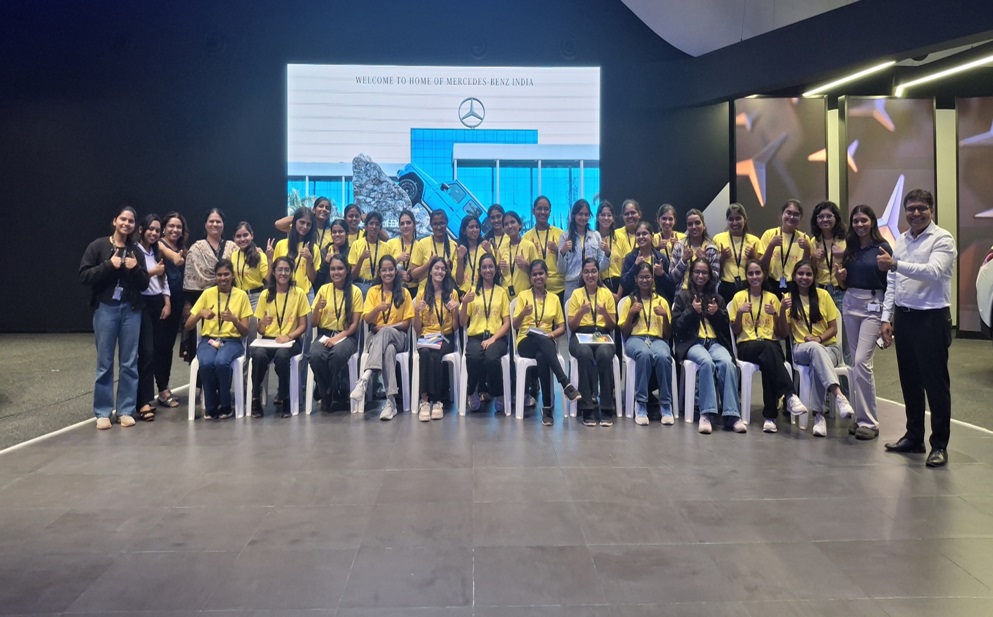
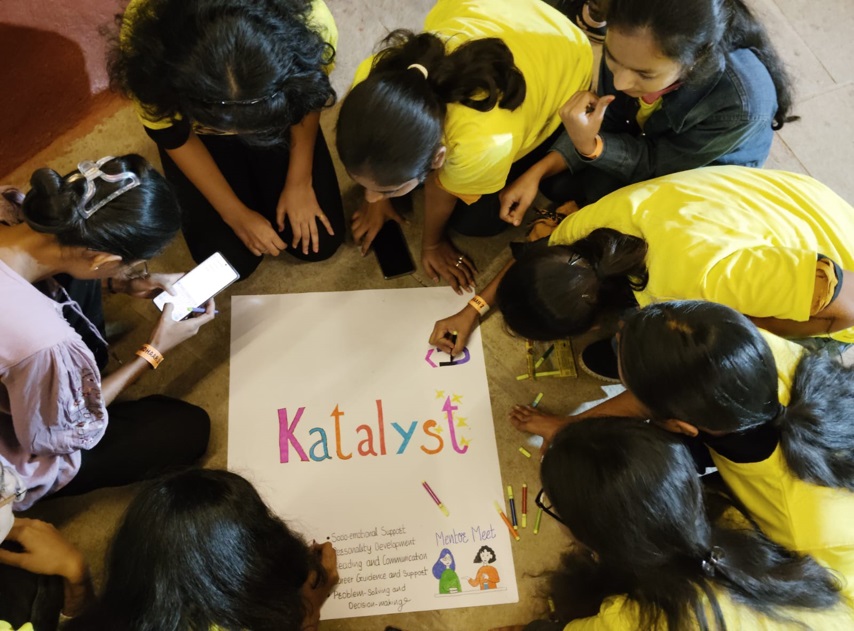
Talent flourishes when provided with the right opportunities, guidance, and support. Through the Katalyst Programme for Skill Enhancement of Girl Students, Mercedes-Benz India is helping young women from socio-economically disadvantaged backgrounds build the confidence, skills, and industry exposure needed to thrive in engineering and technology careers.

Implemented since FY 2023–24 in partnership with Human Capital for Third Sector, the initiative is supporting 100 undergraduate engineering students from the Pune region through a comprehensive programme focused on leadership development, technical competency enhancement, and career readiness.

The programme adopts a holistic approach to student development through semester-wise skill enhancement curriculum covering personality development, communication skills, English proficiency, corporate etiquette, and technical competencies. Students also benefit from bi-monthly one-on-one mentorship sessions with industry professionals, gaining valuable career guidance, professional insights, and exposure to real-world workplace environments.
Empowering Future Women Engineers Through Skills, Mentorship and Opportunity
To strengthen experiential learning, participants are encouraged to engage in techfests, hackathons, industry visits, internships, and corporate exposure programmes, enabling them to develop practical skills while showcasing their innovation and problem-solving capabilities. Dedicated placement support further helps students align their academic learning with industry expectations and employment opportunities.

Recognizing the importance of overall well-being and accessibility, the programme also provides laptop subsidies, internet support, medical insurance coverage for students and their mothers, financial assistance, and participation in outbound learning experiences such as yoga retreats and conventions.

Mercedes-Benz India is proud to support initiatives that empower young women to realize their potential, pursue ambitious careers, and become future leaders driving innovation and progress.
Empowering Future Women Engineers Through Skills, Mentorship and Opportunity

Undergraduate Scholarship & Skill Building Programme for Girls

Enabling Education, Building Confidence, Creating Futures

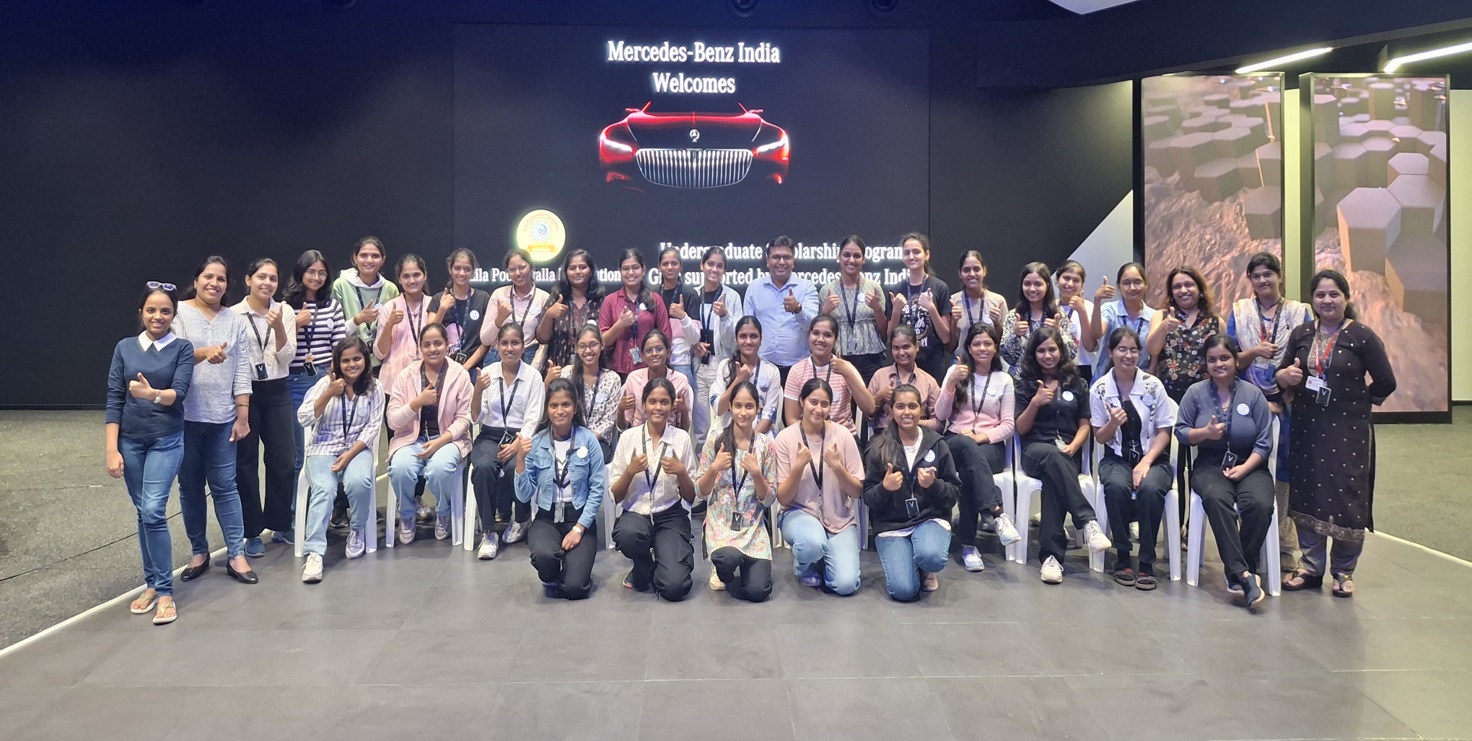
Education is a powerful catalyst for social and economic transformation. Through its partnership with the Lila Poonawalla Foundation, Mercedes-Benz India is supporting talented young women in pursuing higher education while equipping them with the skills needed to build successful and sustainable careers.

Implemented since FY 2023–24, the Undergraduate Scholarship and Skill Building Programme focuses on empowering academically meritorious yet financially disadvantaged young women pursuing undergraduate engineering education across Pune, Amravati, and Wardha & Nagpur.

The programme provides financial assistance to deserving students, helping remove barriers that may otherwise limit access to higher education. Beyond scholarships, the initiative places a strong emphasis on holistic development through structured skill-building interventions designed to strengthen both personal and professional competencies.

To date, the initiative supports 133 undergraduate engineering students, contributing to their academic progression and creating pathways towards meaningful employment opportunities in technical and engineering fields.

Mercedes-Benz India believes that investing in education creates lasting impact across generations. Through initiatives such as this, we remain committed to supporting aspiring young women as they pursue their ambitions and contribute to India's future growth.
Undergraduate Scholarship & Skill Building Programme for Girls

Bharat Innovation & Business Ideas Challenge Programme

Nurturing Innovation for a Viksit Bharat

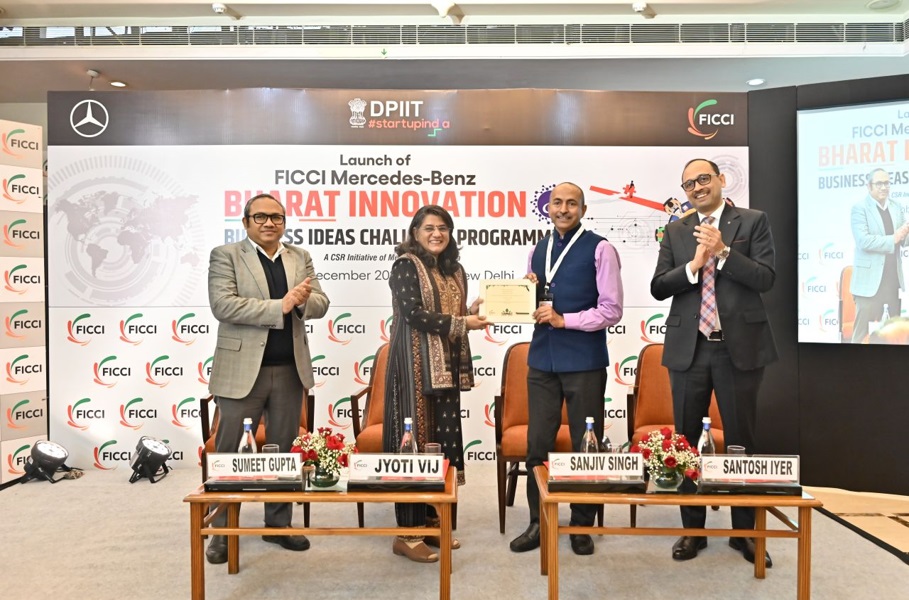
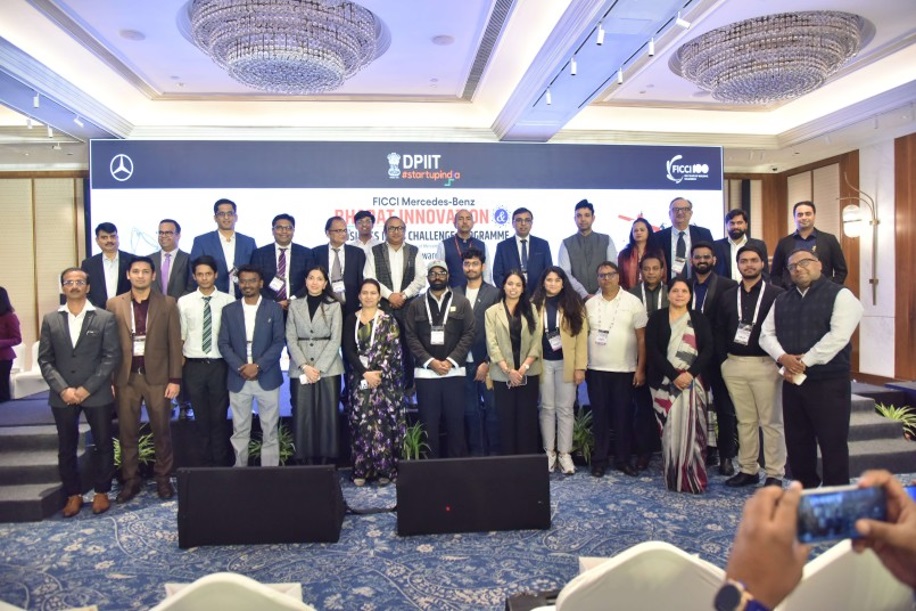
Innovation has the power to solve complex challenges, accelerate sustainable development, and shape the future of society. Through the Bharat Innovation & Business Ideas Challenge Programme, Mercedes-Benz India is supporting emerging entrepreneurs and innovators who are developing transformative solutions for India's future.

Implemented by the Federation of Indian Chambers of Commerce & Industry (FICCI) in partnership with Mercedes-Benz India, the multi-year initiative was launched in FY 2025–26 to identify, support, and nurture innovative startups across the country. Aligned with the national vision of achieving a "Viksit Bharat" by 2047, the programme is promoting entrepreneurship and technology-led innovation across sectors including manufacturing, sustainability, education, decarbonisation, road safety, and automotive and electric mobility.
Bharat Innovation & Business Ideas Challenge Programme
As part of the initiative, seven high-potential startups have been awarded grants by Mercedes-Benz India to accelerate the development and scaling of their solutions.

A key strength of the programme lies in its collaborative ecosystem-driven approach, bringing together stakeholders from academia, industry, government, and the investor community. Through mentorship opportunities, capacity-building initiatives, and participation in national platforms such as the FICCI Global R&D Summit, startups are able to strengthen market readiness, validate their innovations, and establish strategic partnerships.

Mercedes-Benz India is proud to support innovators and entrepreneurs who are creating solutions for a more sustainable, inclusive, and technologically advanced future.
Bharat Innovation & Business Ideas Challenge Programme

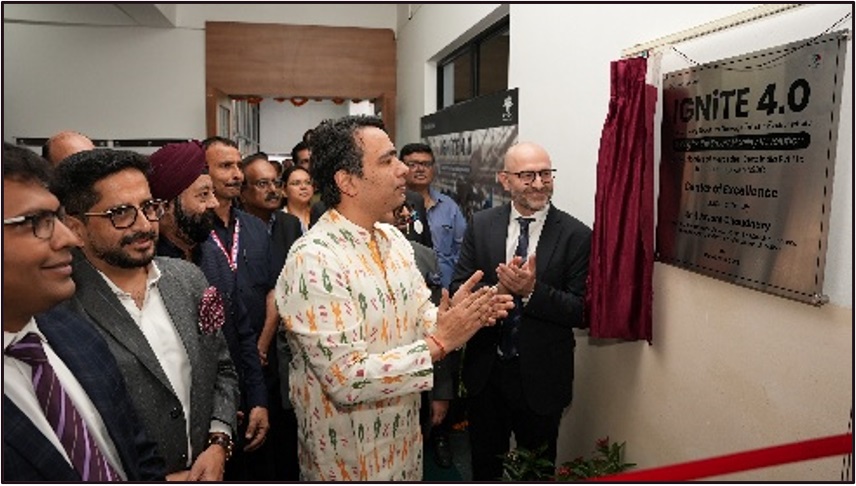
Project IGNiTE 4.0

Building a Future-Ready Workforce for the Mobility Sector

As the automotive industry continued to evolve through electrification, automation, and advanced manufacturing technologies, preparing young people with industry-relevant skills became increasingly important. Project IGNiTE 4.0 was designed to bridge this gap by equipping youth with the capabilities required to succeed in the future of mobility.

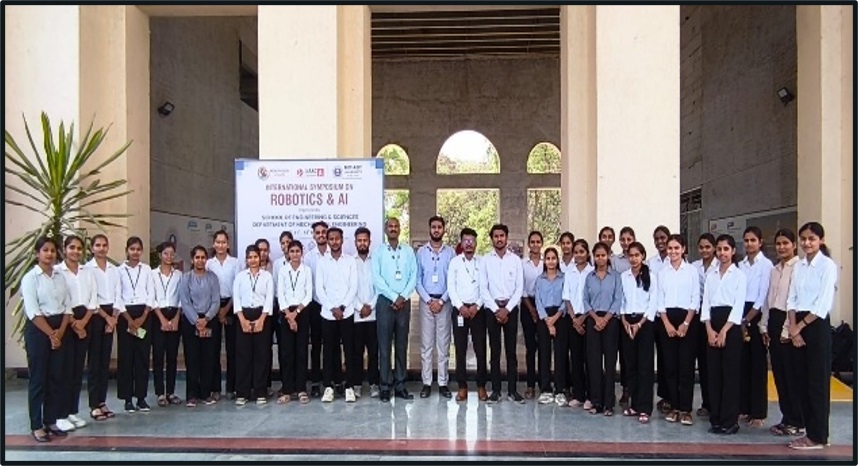
Implemented in partnership with leading academic institutions, including MIT ADT University, Pune, and MRIIRS, Faridabad, the programme aimed to empower 1,000 marginalised youth across Pune and Delhi-NCR through specialised training in high-demand automotive domains.
Project IGNiTE 4.0
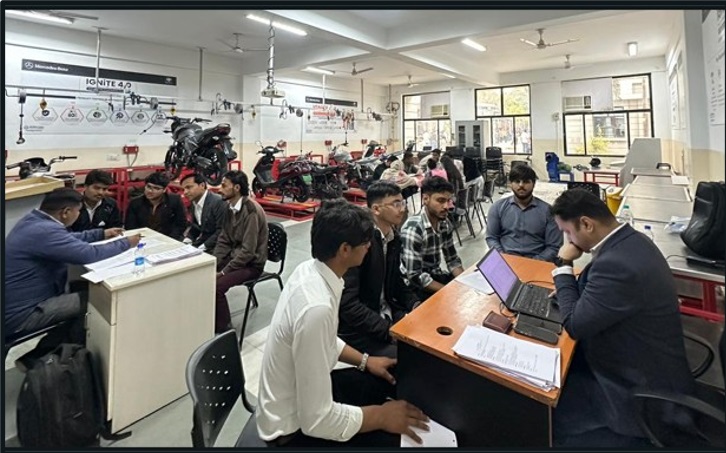
The initiative focused on emerging areas such as Electric Vehicle Service Assistance, Automotive Quality Control, Automotive Product Testing, and Industry 4.0, ensuring that participants were equipped with skills aligned to evolving industry requirements.

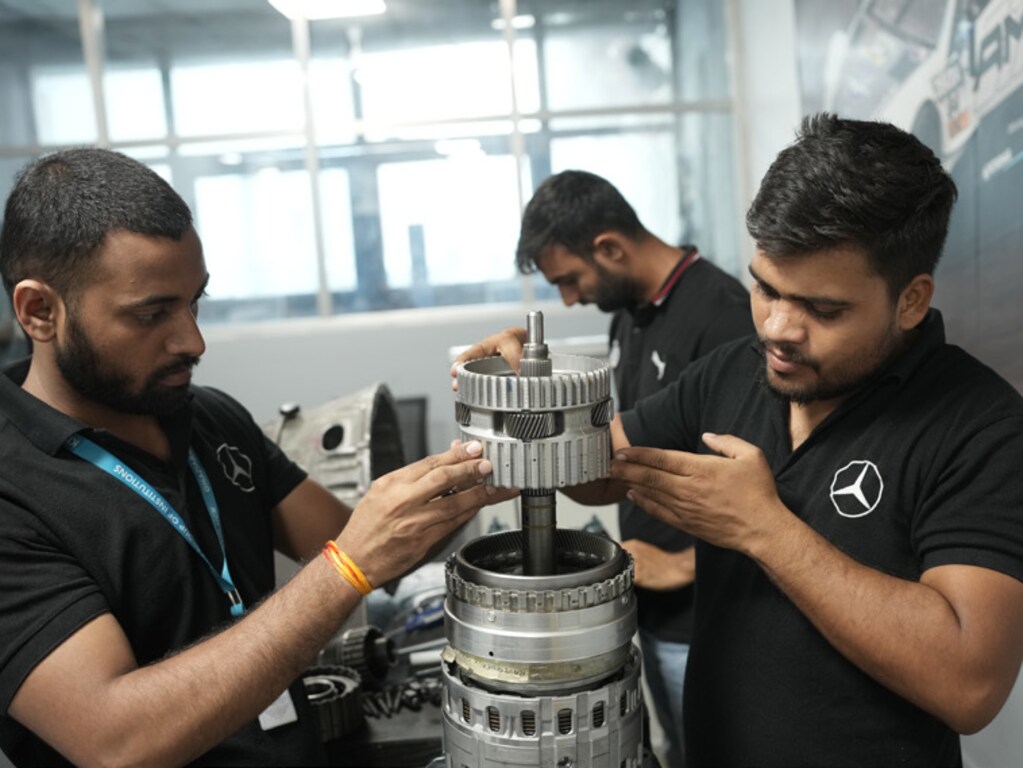
Training was delivered through a combination of classroom instruction and practical exposure, with a strong emphasis on employability and workplace readiness.
Project IGNiTE 4.0
By strengthening technical competencies, enhancing employability, and creating pathways to meaningful employment, Project IGNiTE 4.0 contributed to building a skilled and future-ready workforce for India's growing mobility ecosystem.

Mercedes-Benz India remained committed to supporting initiatives that created opportunities for youth, strengthened workforce readiness, and contributed to inclusive economic growth.
Project IGNiTE 4.0

Advanced Diploma in Automotive Mechatronics (ADAM)

Building Skills, Advancing Careers, and Powering the Future of Sustainable Mobility

Mercedes-Benz India is committed to developing a future-ready automotive workforce by creating opportunities that combine experiential learning, inclusive skill development, and industry-relevant technical education.

  • Donation of EQB to ADAM institute: During FY 2025–26, the Company donated a pre-owned electric vehicle to Government Engineering College, Trivandrum, enabling students and faculty to gain practical exposure to electric mobility systems, battery technologies, vehicle diagnostics, and sustainable transportation solutions through hands-on learning. Reinforcing its commitment to diversity and inclusion.
  •  ADAM Scholarship for Women supports aspiring women engineers by providing access to specialised automotive training through tuition assistance, practical learning, industry-recognised certification, and placement support, encouraging greater participation of women in the automotive sector.
  •  Advanced Diploma in Automotive Mechatronics (ADAM), Mercedes-Benz India's flagship vocational training programme implemented in collaboration with engineering colleges, polytechnics, and technical institutions across India, equips students with industry-ready skills through classroom instruction, hands-on practical training, on-the-job learning, and specialised Electric Vehicle (EV) modules. Together, these initiatives bridge the gap between academia and industry, strengthen technical capabilities, promote inclusive workforce development, and empower the next generation of mobility professionals to contribute to the future of sustainable transportation.
Advanced Diploma in Automotive Mechatronics (ADAM)

Environmental Sustainability

Solar Panel Installation Programme

Powering Education Through Clean Energy

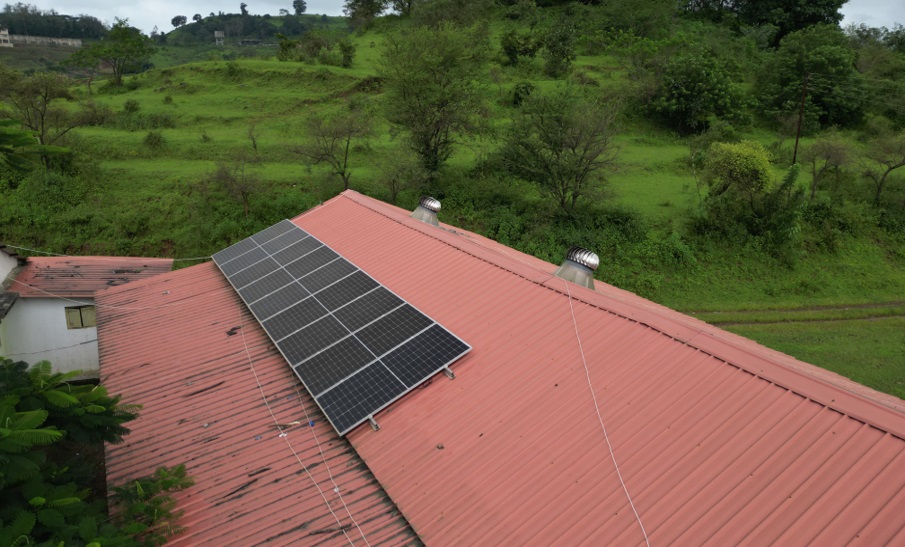
Access to reliable electricity is fundamental to quality education. Through the Solar Panel Installation Programme, Mercedes-Benz India created sustainable and energy-efficient learning environments while advancing the adoption of renewable energy in underserved communities.

Implemented during FY 2023–24 and FY 2024–25 in partnership with Sakal Social Foundation, the initiative spanned 152 remote schools across Pune, Ahmednagar, Satara, Nashik, and Kolhapur districts of Maharashtra. To address challenges associated with inconsistent electricity supply, each school was equipped with a 5 kW on-grid solar power system connected to the MSEB grid, ensuring uninterrupted access to clean and reliable energy.
Solar Panel Installation Programme
The programme directly benefited more than 85,000 students and teachers by enabling uninterrupted use of digital learning tools, smart classrooms, and audio-visual educational resources. Reliable electricity enhanced classroom experiences, reduced learning disruptions, and strengthened digital literacy among both students and educators.

Beyond educational benefits, the initiative delivered significant economic and environmental impact. Through net metering, participating schools were able to offset their electricity consumption, resulting in zero electricity bills and allowing savings to be redirected towards educational resources and infrastructure improvements. The project also contributed to climate action by reducing carbon emissions by approximately 1,000 metric tonnes annually.

Mercedes-Benz India was proud to support initiatives that harnessed renewable energy to create lasting impact, empowered schools with sustainable infrastructure, and contributed to a greener future.
Solar Panel Installation Programme

E-REVIVE Pune – Season 2

Creating a City-Wide Movement for Responsible E-Waste Management

Sustainable cities require collective action. Building on the momentum of the E-Waste Management Programme across Delhi, Pune, Mumbai, and Hyderabad during FY 2024–25, E-REVIVE Pune Season 2 represents the next phase of Mercedes-Benz India's commitment to responsible e-waste management. It builds up on the model that combines behavioral change with structured collection with environmentally compliant recycling.

Implemented as a multiyear project from March 2026 to March 2027, the programme is led by Mercedes-Benz India in partnership with SACH, knowledge partners Times of India & Teach India. The initiative aims to establish a scalable urban model for e-waste collection and responsible disposal while promoting widespread behavioural change across Pune.

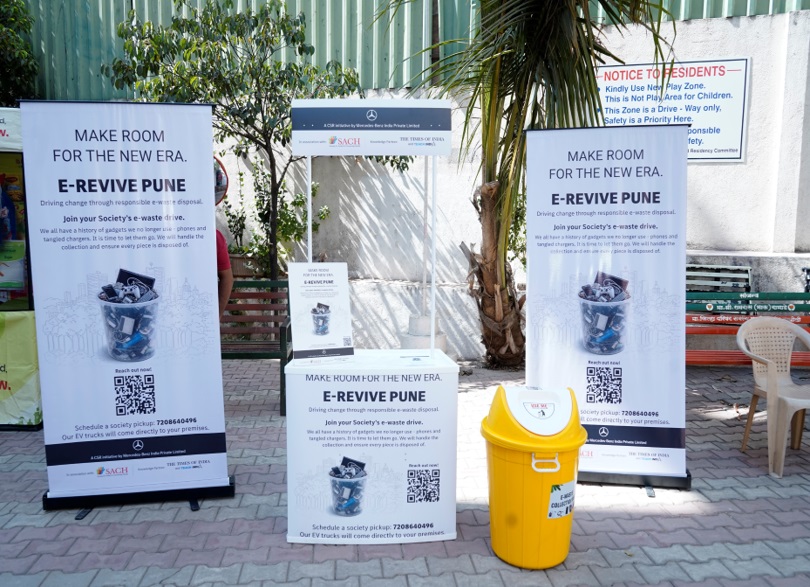
The programme seeks to engage citizens through an extensive stakeholder network comprising approximately 450 schools and colleges, 70 residential welfare associations, 45 marketplaces and electronics hubs, and 30 corporate offices, ensuring city-wide outreach and participation.
E-REVIVE Pune – Season 2
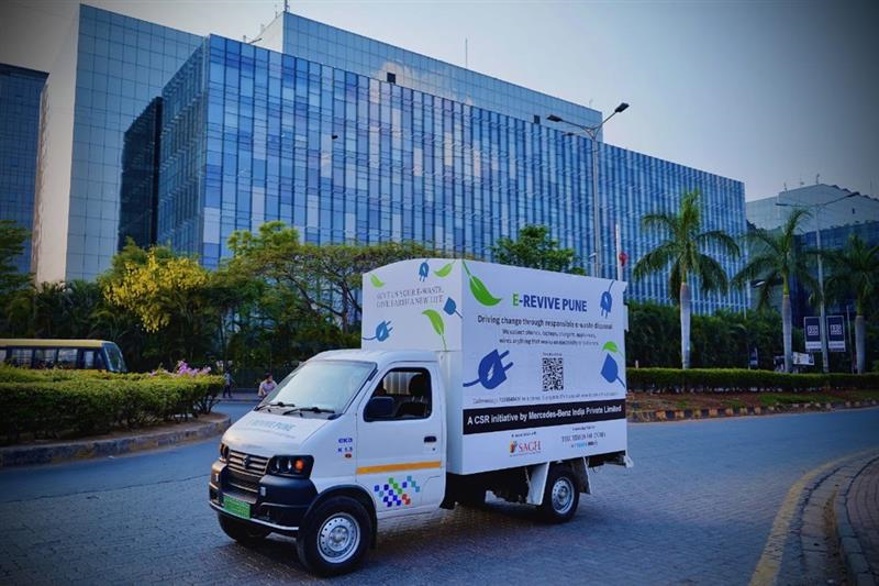
A key feature of the initiative is the deployment of two dedicated electric collection vans, exclusively branded for the E-REVIVE campaign and used for e-waste collection across residential societies, educational institutions, corporate offices, marketplaces, and electronics hubs. These vehicles support efficient last-mile collection while reinforcing the programme's commitment to environmentally responsible operations.

To maximise public engagement, the initiative combines on-ground activities with high-visibility media outreach, including airport messaging across arrival and departure zones, social media campaigns, print media engagement, and community-level awareness programmes.

Mercedes-Benz India is proud to support innovative initiatives that transform environmental responsibility into community action, creating a more sustainable future for urban communities.
E-REVIVE Pune – Season 2

Watershed Development Programme – Washere Village

Restoring Water Resources, Revitalising Ecosystems, and Strengthening Rural Livelihoods

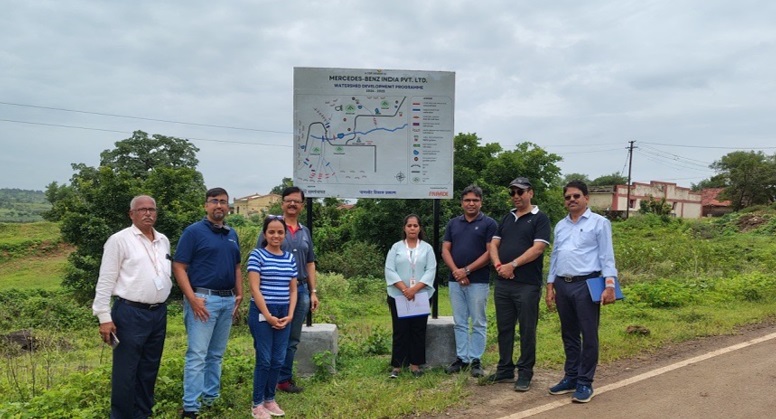
To address water scarcity and land degradation in rural Maharashtra, Mercedes-Benz India supported the Watershed Development Programme in Washere Village, implemented during FY 2024–25 in partnership with the ANARDE Foundation.
Watershed Development Programme – Washere Village
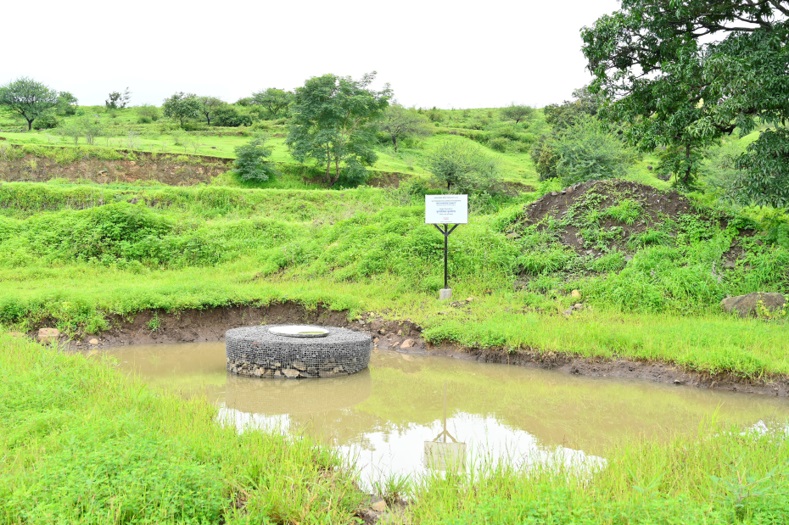
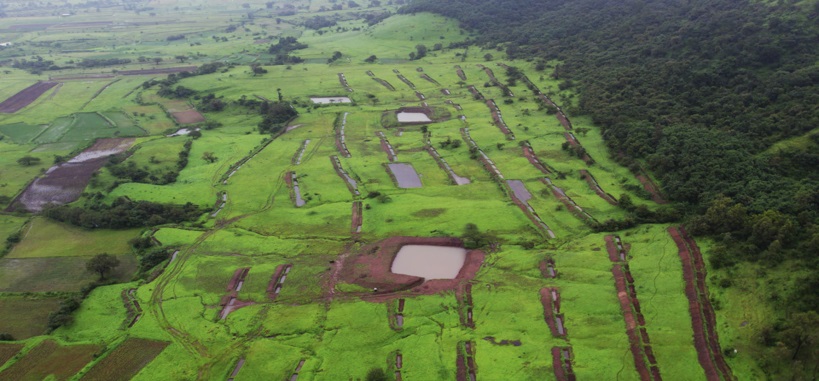
The programme adopted an integrated watershed management approach across four tribal hamlets, benefiting approximately 810 people from 223 households. Through community-led and nature-based interventions, the initiative enhanced rainwater harvesting, groundwater recharge, and soil conservation while strengthening long-term water security.

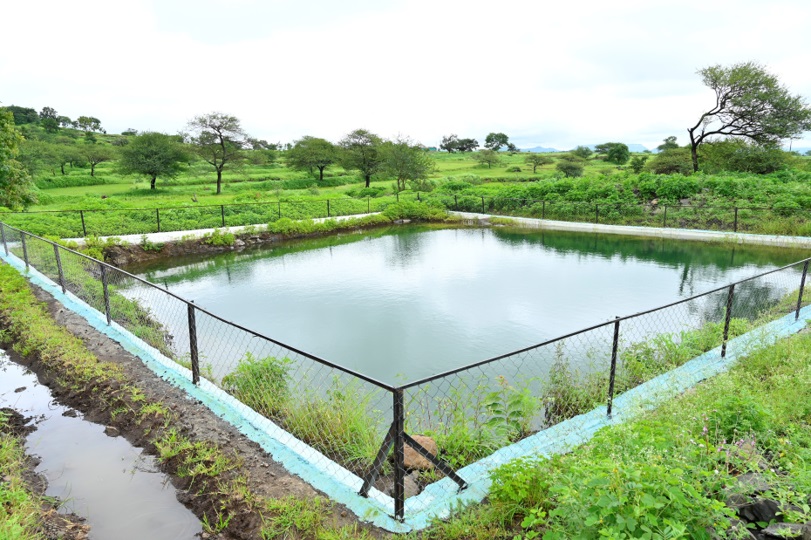
The project implemented 21 Loose Boulder Structures (LBS), over 200 Water Absorption Trenches (WAT), four Gabion Structures, one Core Wall Gabion, five rejuvenated ponds, four Earthen Nala Bunds (ENBs), four Recharge Shafts, two Waste Weirs, and well rejuvenation works. Collectively, these interventions created 54,000+ cubic metres of water storage and 5,400+ cubic metres of groundwater recharge.
Watershed Development Programme – Washere Village
Each intervention contributed to improving the watershed ecosystem. Loose Boulder Structures reduced soil erosion and stabilised slopes, while Gabion Structures, Core Wall Gabions, Waste Weirs, and Earthen Nala Bunds enhanced water retention and reduced surface runoff. Recharge Shafts improved deep aquifer replenishment, and pond desilting restored the storage capacity of existing water bodies. Water Absorption Trenches made the largest contribution, creating 45,000 cubic metres of water storage and 4,500 cubic metres of groundwater recharge, significantly improving the local water table.
Watershed Development Programme – Washere Village
The programme strengthened water availability for agriculture and domestic use, reduced soil erosion, improved vegetation cover, enhanced irrigation potential, and promoted community-led conservation practices. These interventions have contributed to greater climate resilience while supporting sustainable livelihoods across the project area.

Mercedes-Benz India is proud to support initiatives that restore ecosystems, strengthen water security, and build resilient communities through sustainable natural resource management.
Watershed Development Programme – Washere Village

Green School Transformation Project

Creating Safer, Greener and More Inclusive Learning Spaces

Over the years, Mercedes-Benz India’s ethos of building a diverse workforce has extended beyond the organisation and towards the upliftment of women in society. The Green School Transformation Project reflects the same core commitment to empowering women and fostering inclusive growth by extending the values of diversity, equality, and opportunity beyond the workplace and into society.
Green School Transformation Project
Implemented in partnership with Yuva Unstoppable during FY 2022–23, FY 2023–24, and FY 2025–26, the project has successfully transformed 50 all-girls schools which were selected on the basis of need for infrastructure improvements, with a focus on schools catering to girls from economically disadvantaged backgrounds in Maharashtra state, benefiting more than 37,000 girl students till March 2026.
Creating Safer, Greener and More Inclusive Learning Spaces
The project follows an integrated approach combining education, sustainability, and infrastructure enhancement through three key pillars:

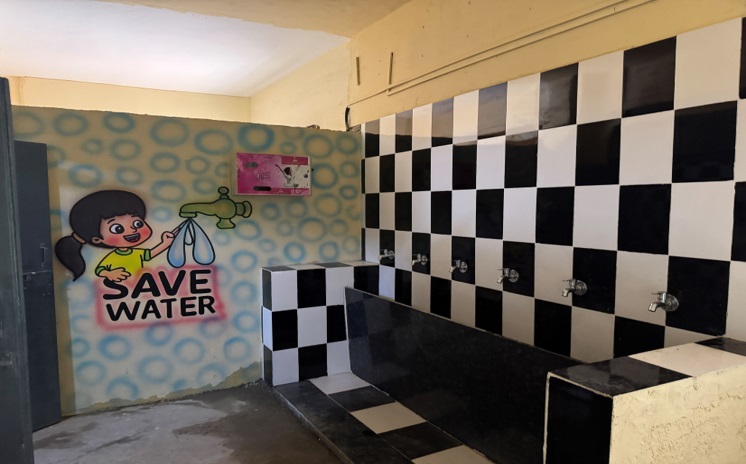
1. Enhanced WASH Infrastructure:
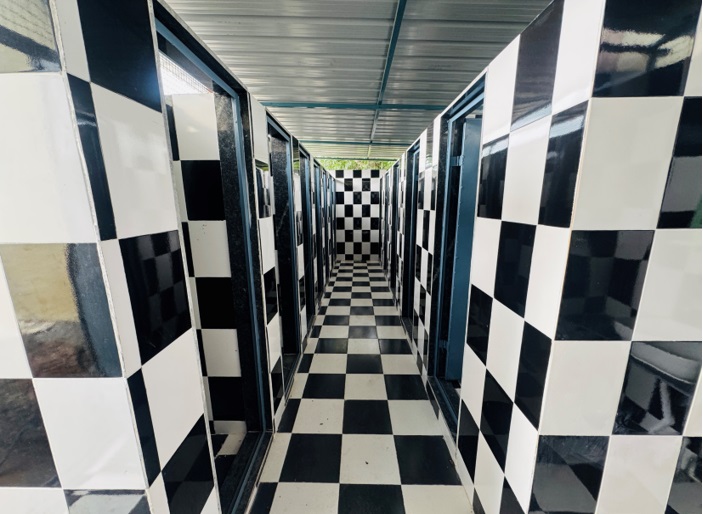
The project strengthened sanitation and hygiene facilities by improving essential school infrastructure, ensuring safer and healthier learning conditions for girl students. These improvements contributed towards creating a more supportive and inclusive environment for continued education.

2. Smart Classrooms – Digital Learning Enablement:
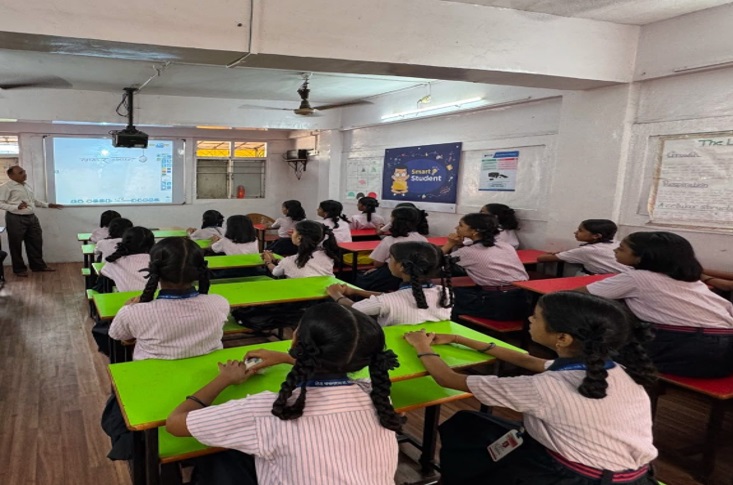
The introduction of digital and interactive learning solutions enhanced teaching methodologies and provided students with access to technology-driven education. Smart classrooms enabled more engaging learning experiences and improved exposure to modern educational tools.
Green School Transformation Project
3. Sustainability Initiatives – Solar Energy and Water Conservation:
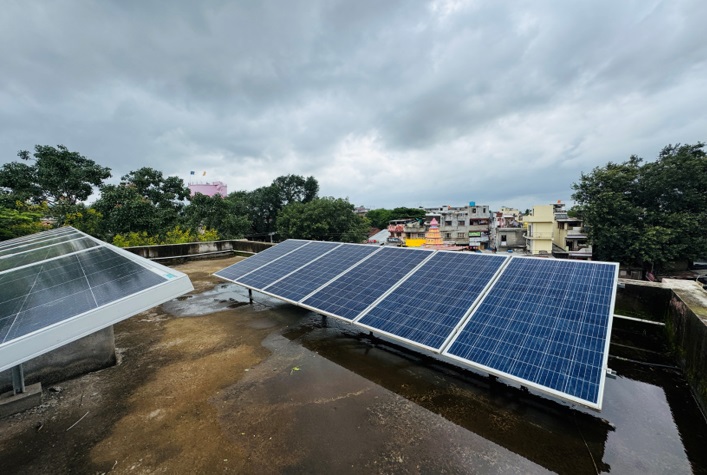
The project incorporated sustainable solutions through the installation of 10 KW hybrid solar power systems and implementation of rainwater harvesting systems. These interventions ensured reliable energy access, promoted responsible resource management, and encouraged environmental awareness among students and communities.

Mercedes-Benz India believes that empowering the women begins with creating opportunities that enable them to realise their aspirations and potential.

The Green School Transformation Project is a step towards advancing girls’ education by transforming schools into sustainable, and future-ready learning spaces that support their growth and development. Through a holistic approach combining infrastructure enhancement, technology-enabled education, and environmental sustainability, the initiative strengthens the foundation for quality learning and creates an ecosystem where girls are encouraged to learn, thrive, and pursue greater opportunities.
Green School Transformation Project

Water Conservation and Community Water Security Initiative

Bringing Sustainable Water Access to Remote Tribal Communities

Access to water is fundamental to health, livelihoods, and community well-being. In the tribal regions of Khed and Ambegaon in Pune district, where settlements are located in mountainous and remote terrains, seasonal water scarcity had historically posed significant challenges.

To address these challenges, Mercedes-Benz India, in partnership with Shashwat Trust, implemented a community-driven Water Conservation and Community Water Security Initiative aimed at improving access to water for both domestic use and agriculture while strengthening long-term climate resilience.

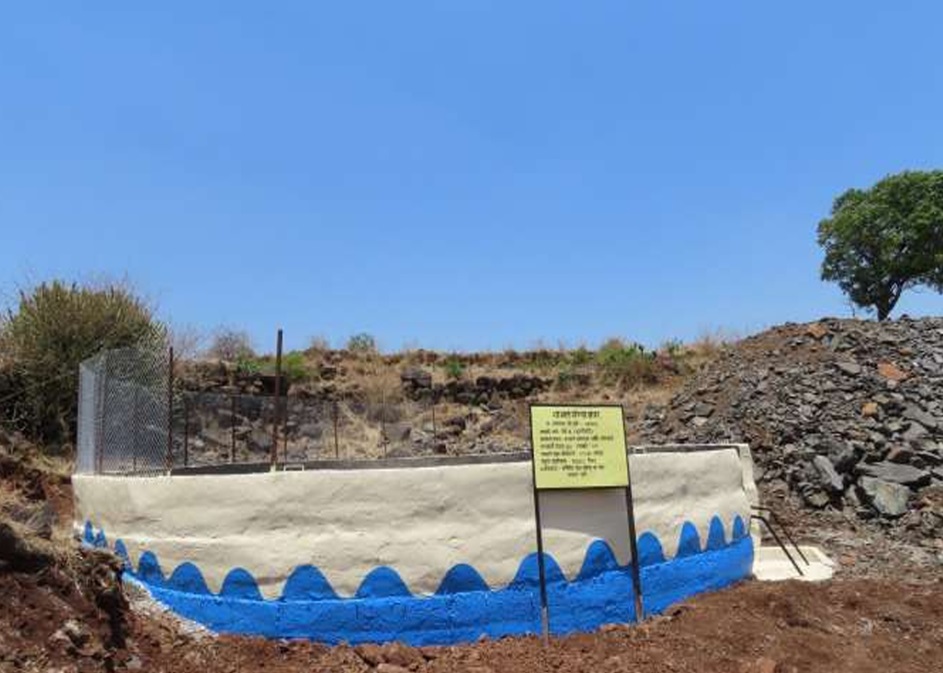
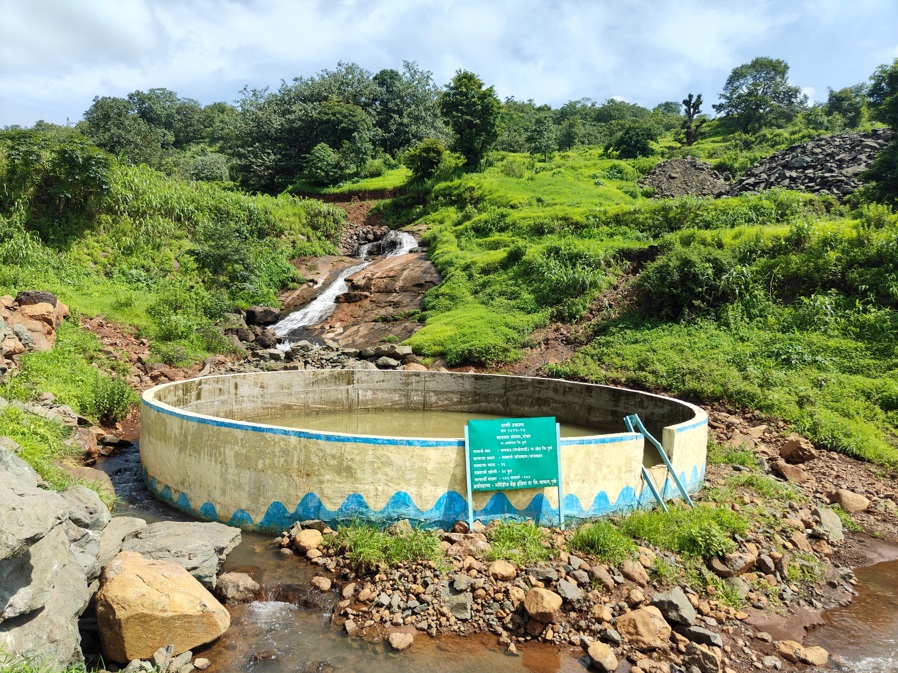
During FY 2023–24 and FY 2024–25, the initiative focused on the construction of water storage infrastructure across 14 tribal hamlets, including the excavation and development of water storage tanks designed to capture and retain water throughout the year. These interventions created a cumulative water storage capacity of 10.4 million litres, directly benefiting 3,076 villagers and 2,043 livestock across remote communities.
Water Conservation and Community Water Security Initiative
A key intervention under the programme was the creation of a water canal system through the construction of a 40-foot-long and 5-foot-high water retention structure, coupled with the installation of a 550-metre pipeline network. This intervention enabled 13 farming families to regain access to irrigation, bringing 7 acres of agricultural land back under cultivation. As a result, farmers were able to prepare their fields for second cropping cycles, leading to enhanced agricultural productivity and improved household incomes.

Building on these outcomes, the programme expanded during FY 2025–26 through the implementation of a community pond construction initiative in Bhawarwadi (Gohe Bk.) and Mhasewadi (Kharpud). Two large community ponds were subsequently excavated and developed using a combination of mechanical equipment and community labour. The pond at Bhawarwadi created a storage capacity of 769,623 litres, while the pond at Mhasewadi added 761,666 litres, together contributing more than 1.53 million litres of additional water storage capacity.

The FY 2025–26 interventions are expected to directly benefit more than 650 community members, in addition to supporting livestock owners and smallholder farmers by improving year-round water availability closer to their settlements.

Mercedes-Benz India was proud to support initiatives that strengthened water security, improved rural livelihoods, and empowered communities to build a more resilient and sustainable future through responsible natural resource management.
Water Conservation and Community Water Security Initiative

Solar PV Micro-grid Project – Rangubeli Village

Repurposed Mercedes-Benz batteries are helping illuminate an entire village in the hearts of Melghat region.

Electricity can transform lives, strengthen communities, and unlock new opportunities for development. The Solar PV Micro-grid Project at Rangubeli Village represented an innovative approach to addressing energy access challenges in one of Maharashtra's most remote tribal regions.

Implemented by Sevavardhini with support from Mercedes-Benz India, the project was located in Rangubeli village in Dharni Taluka of Amravati district within the Melghat region, an area characterised by dense forests and limited infrastructure connectivity.

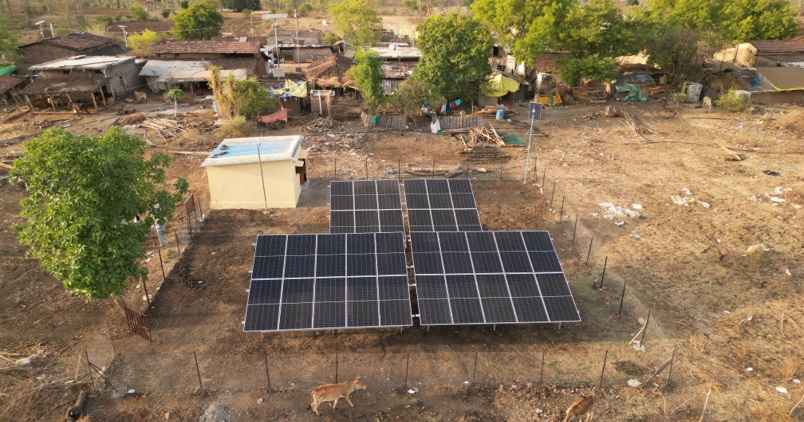
Designed as a decentralised renewable energy solution, the project provided solar-based electrification through an installed capacity of 38.61 kW, benefiting approximately 430 community members through reliable access to electricity for households and community facilities.
Solar PV Micro-grid Project – Rangubeli Village
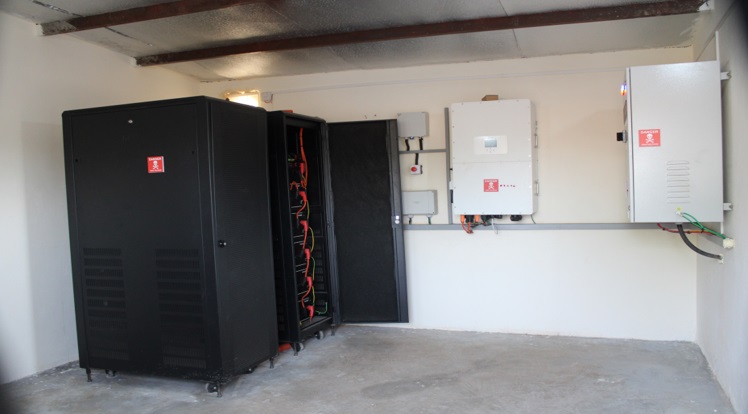
A unique feature of the initiative was the integration of two Mercedes-Benz vehicle batteries into the micro-grid system, enhancing energy storage capacity and improving the reliability and continuity of power supply. This innovative reuse of automotive technology demonstrated how circular economy principles could contribute to sustainable development solutions.

The project further established a village-wide electricity distribution network across two hamlets through the installation of 17 distribution poles and associated infrastructure. A total of 84 electricity connections were provided to households and critical public institutions, including schools, Anganwadi centres, the Community Hall, Gram Panchayat office, Primary Health Centre (PHC), and government staff quarters, significantly improving access to reliable electricity and strengthening essential community services.

Mercedes-Benz India was proud to support innovative solutions that extended the benefits of sustainable technology beyond mobility, helping create resilient and energy-secure communities while advancing inclusive rural development.
Solar PV Micro-grid Project – Rangubeli Village